Share the task
Send products, variants, target rates, current handling and available space.

Increase output, improve consistency and reduce repetitive manual handling with a complete robot cell matched to your product, target rate and available space.
Robot equipment example; not a completed installation.
Tell us what you need to pick, where it must go and how fast you need to run. We will compare the movement, reach, grip, space and line interfaces for you.
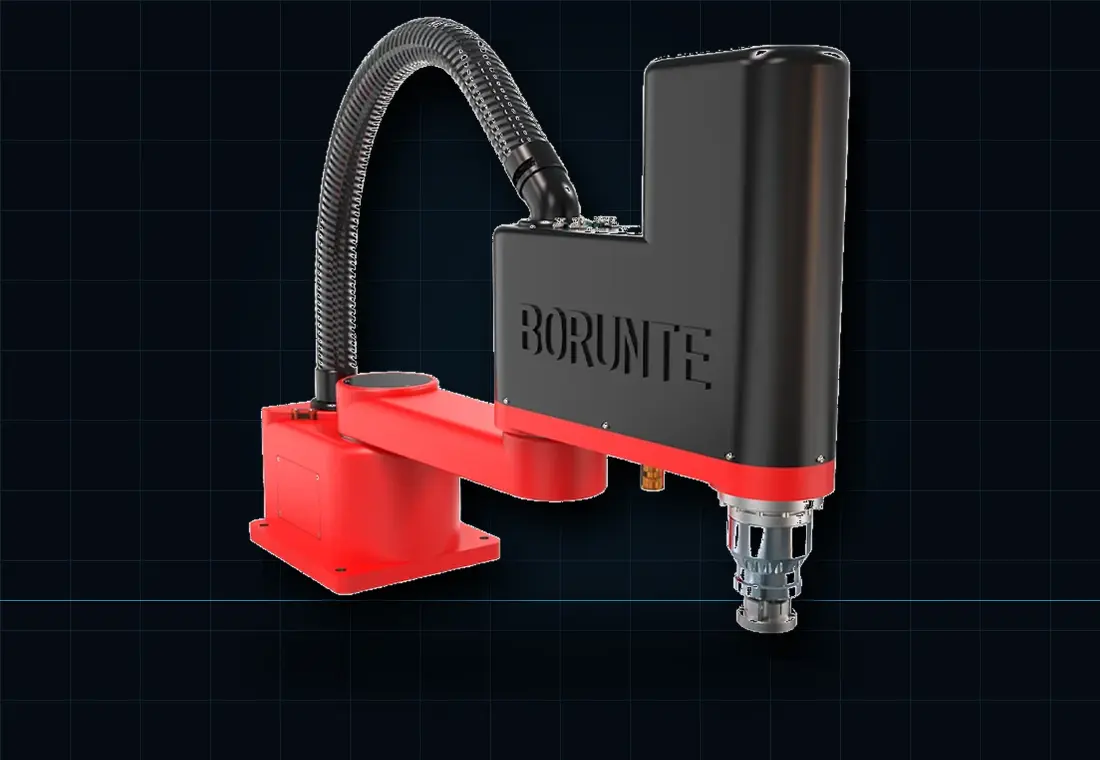
Compact, repeatable movement for trays, small components, assembly and high-speed production tasks.
See when it fits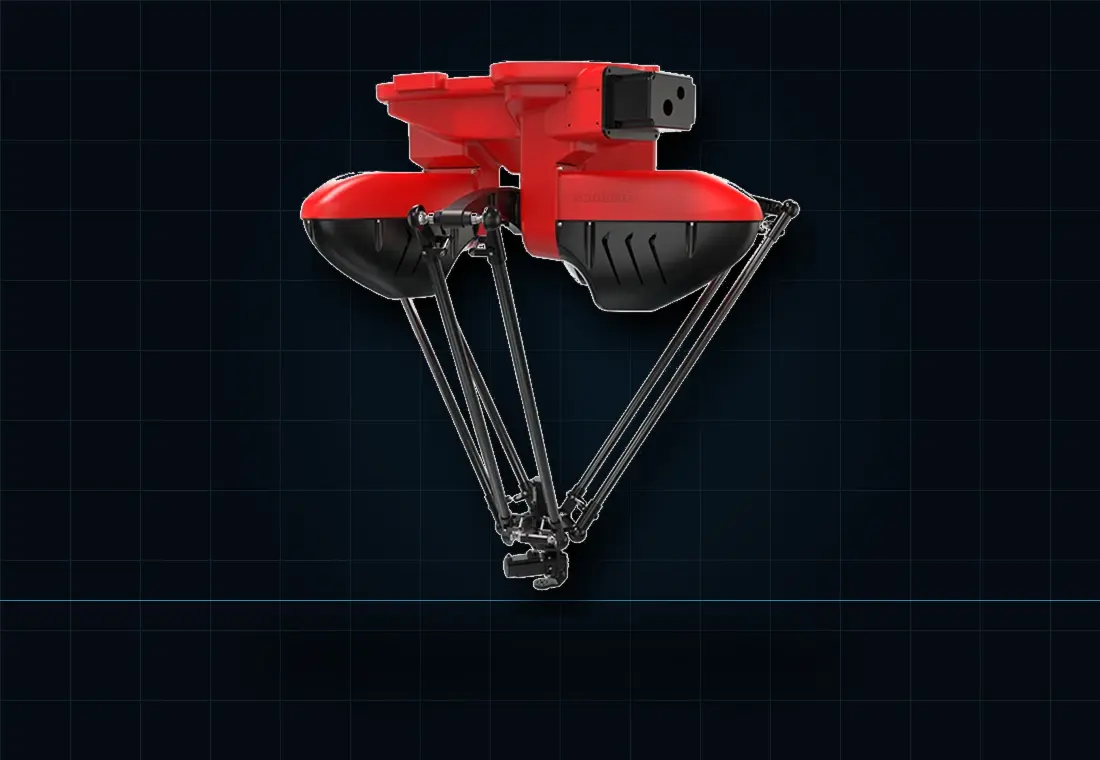
Overhead parallel robots for rapid picking, sorting, orienting and placement from moving conveyors.
See when it fits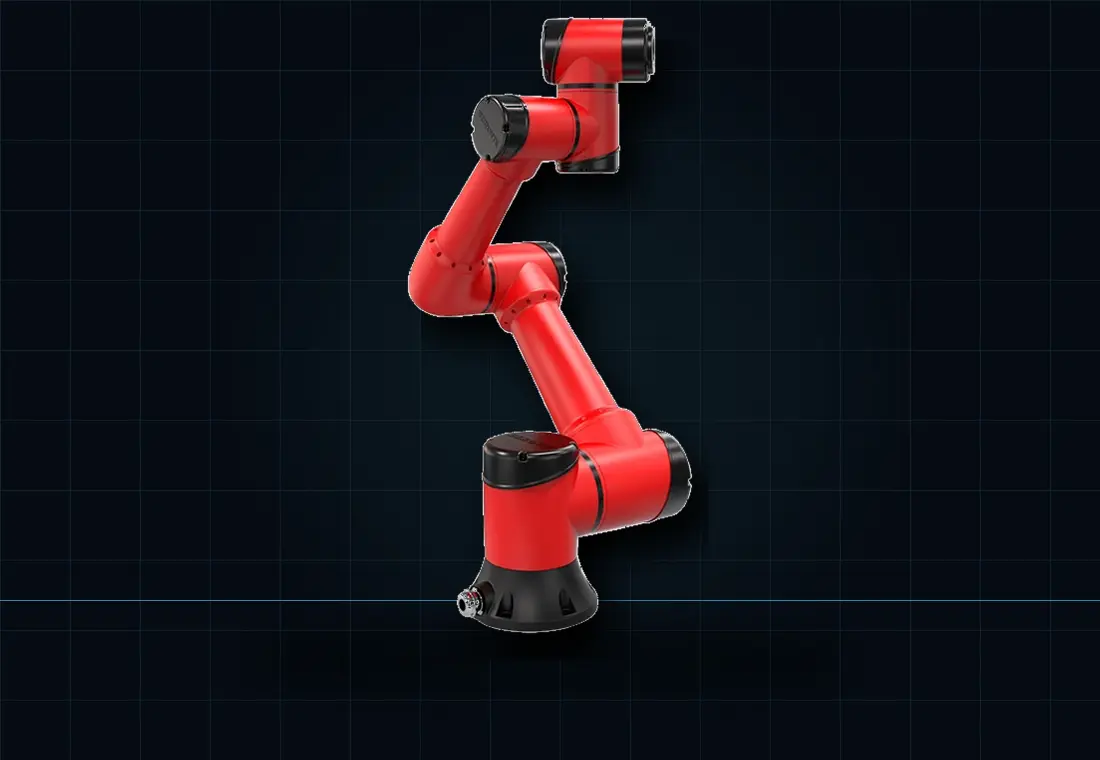
Compact cobot cells for suitable light handling, kitting and component transfer applications.
See when it fits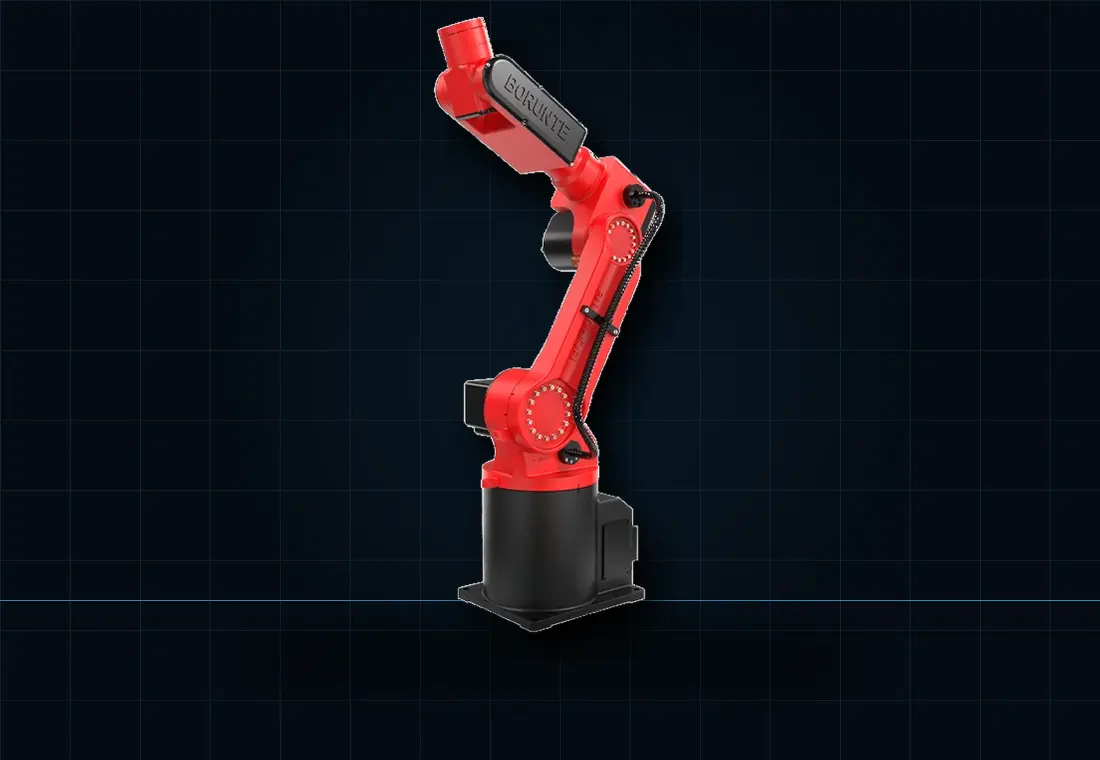
Articulated robots for complex approach angles, orientation changes, machine access and multi-station cells.
See when it fitsChoose the outcome you need—from faster handling and accurate assembly to orientation, tracking and a gripper that protects your product.
Fast, repeatable transfer for food, packaging, components and consumer products.
See the applicationControlled placement into fixtures, trays, machines or multi-part assemblies.
See the applicationRotate, flip or align items to meet the downstream process in the correct pose.
See the applicationSynchronise robot motion with moving products using encoder and vision data.
See the applicationVacuum, finger, magnetic, adaptive and multi-pick tooling built around the product.
See the applicationTell us the product, current process, required output and available space.
Get a recommendationCompare vision, packaging infeed, sorting and kitting, cycle time, complete-cell cost and what to expect from a UK robot integrator.
When to use 2D or 3D vision for location, orientation, inspection and conveyor tracking.
Read the guideAssess 3D visibility, collision-free access, gripper reliability and difficult final-layer picks.
Read the guidePlan high-speed, gentle handling around hygiene, cleaning and pack-format changeovers.
Read the guideLoad trays, cartons, cases, thermoformers and moving packaging-machine infeeds.
Read the guideIdentify, count, orient and place components into the correct destination or kit.
Read the guidePlan a sustainable rate around the complete motion, grip, vision and line sequence.
Read the guideUnderstand the complete cell budget and build a business case from measurable production outcomes.
Read the guideSee what a complete proposal, acceptance test, installation and production handover should cover.
Read the guideShare your product, rate and process to get a recommendation based on the real task.
Start your reviewYou get one joined-up system, from product infeed and gripping to controls, guarding and handover—built around the output, quality and access your team needs.
Robot equipment example; not a completed installation.Start by showing us your product, current method and target output. We turn that information into a clear recommendation, prove the solution and hand over a production-ready cell.
Send products, variants, target rates, current handling and available space.
Receive a clear cell concept covering robot, tooling, presentation, controls and safety.
Test the integrated cell with representative products and agreed production scenarios.
Install, commission, train your team and hand over the production-ready system.
Compare robot types, conveyor tracking, grippers, product changeovers, costs and the information needed for a useful recommendation.
It depends on the required rate, payload, reach, orientation changes and available space. SCARA robots suit fast planar movement, delta robots suit very high-speed lightweight handling, cobots suit appropriate flexible applications, and six-axis robots provide the greatest motion freedom.
Yes. An encoder, suitable sensing and the robot controller can be combined for conveyor tracking. Vision may also be used to locate products, identify their orientation and supply pick coordinates.
Yes. End-of-arm tooling is engineered around the product, required grip, cycle, surfaces, presentation and failure modes. Options can include vacuum, parallel grippers, adaptive fingers, magnetic tooling and multi-pick heads.
Often, yes. The changeover strategy might use recipe selection, adjustable tooling, automatic tool changing or interchangeable format parts. The right approach depends on product variation and the time available for changeovers.
Product dimensions and weight, target throughput, current process video, available space, upstream and downstream equipment, product formats and any hygiene, environmental or safety constraints are useful starting points.
Oxford Industrial Automation can engineer the complete application, including robot selection, tooling, sensing, controls, guarding, integration, installation, commissioning and training.
A pick-and-place robot system is a complete automation cell that detects a product, grips it, moves or reorients it and places it into the next process. The working system can include the robot, product presentation, end-of-arm tooling, sensing or vision, controls, guarding and operator interfaces.
Cost is application-specific. The main factors are product variation, required output, robot type and quantity, gripper design, feeders or conveyors, vision, guarding, controls and installation work. An initial application review is needed before a useful budget or quotation can be provided.
The achievable rate depends on travel distance, product stability, grip and release time, payload, orientation changes, inspection steps and conveyor presentation. Delta and SCARA robots often suit the highest rates, but the complete cycle should be modelled and proved with representative products.
Payback is influenced by the installed system cost, operating hours, labour that can be redeployed, increased output, reduced product damage or scrap, uptime, changeover time, maintenance and the value of improved production consistency. These factors should be assessed against the current process.
Send your product details, target output, photos or a short process video. We will recommend the right next step and explain what is needed for a reliable robot cell.
Define the part range, arrival variation, required placement and accepted cycle time. Test the proposed gripper and sensing on representative parts, including difficult orientations and missing items. Include replenishment, interrupted picks and recovery in the assessment so that the result represents the complete production task.
Related guidance: Cycle time & throughput · Cost & payback